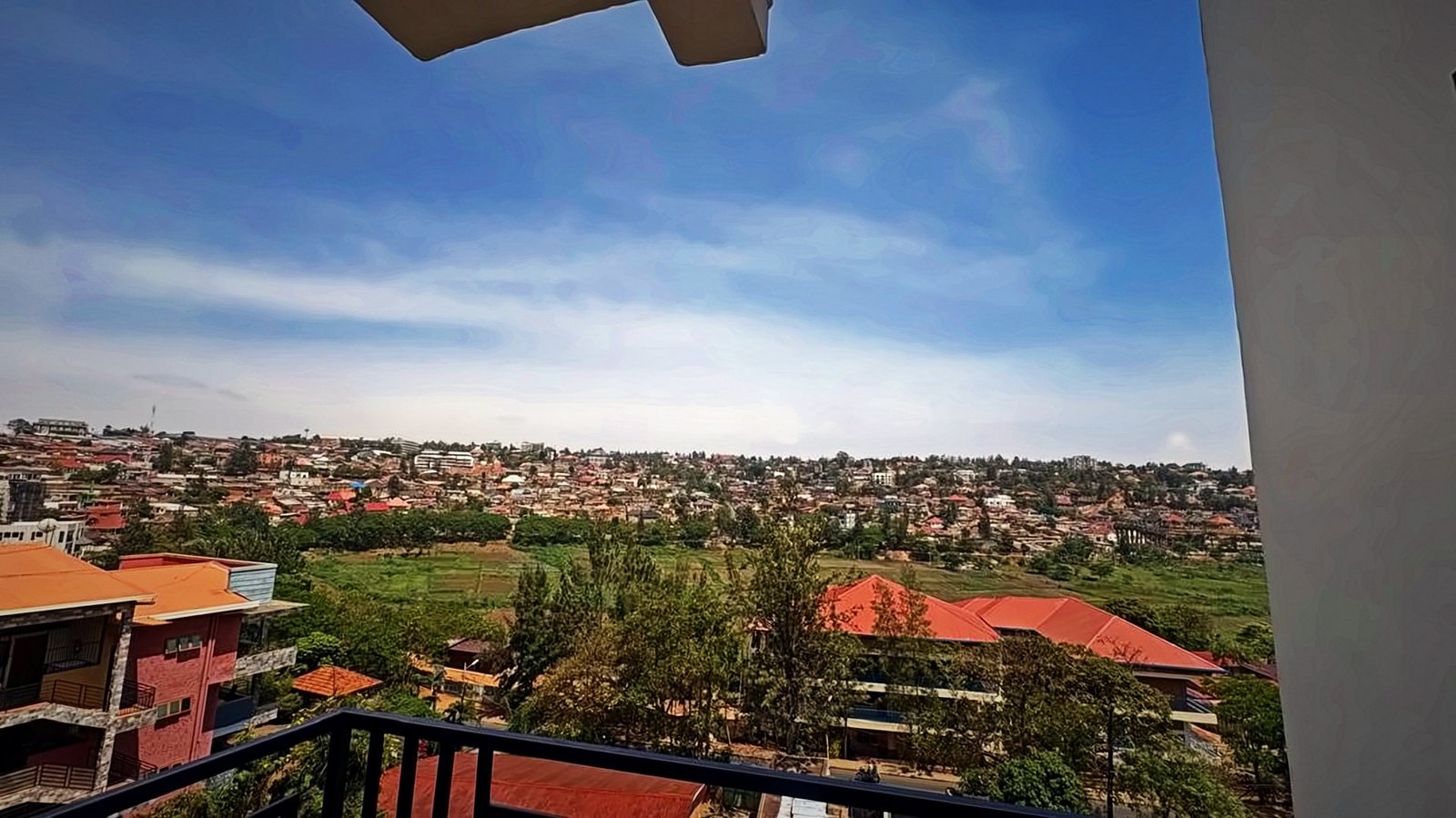
Short answer: Rwanda uses Central Africa Time (UTC+2), the Rwandan franc (RWF), and 230 V power with Type C and J plugs. Kinyarwanda, English, French and Swahili are official languages. Kigali sits at about 1,500 metres, so days are mild and evenings can be cool. Check visa rules on the official immigration site before you fly, and stay close to the airport if you arrive late or leave early.
Key takeaways
- Time zone: UTC+2, no daylight saving. Currency: RWF. Power: 230 V, Type C and J.
- Plastic bags are banned. Pack reusable bags.
- On the last Saturday of the month (umuganda) mornings are quieter and roads may be affected until the community work ends.
- Kigali is hilly and walkable in parts, with taxis, moto-taxis, buses and ride-hailing to get around.
Quick facts
| Time zone | Central Africa Time (UTC+2), no daylight saving |
|---|---|
| Currency | Rwandan franc (RWF) |
| Languages | Kinyarwanda, English, French and Swahili are official. English is widely used in hospitality. |
| Power | 230 V, 50 Hz. Type C and J plugs. Bring an adapter. |
| Driving | On the right |
| Altitude | About 1,500 m above sea level |
| Airport | Kigali International Airport (KGL), Kanombe, about 10 km from the city centre |
Visas and entry
Entry requirements depend on your nationality and purpose. Many visitors can get a visa on arrival or apply online, some are exempt for short stays, and a few need to apply in advance. Check the official Rwanda immigration website and the Irembo online services portal shortly before travel, because rules and fees change. If you plan to live or work in Rwanda, see our relocation plan.
When to visit
Kigali’s climate is temperate thanks to its altitude. Typically there are two rainy seasons (roughly March to May and October to December) and two drier seasons (roughly June to September and January to February). The long dry season from June to September is popular for trips that combine Kigali with gorilla trekking or safari. Evenings can be cool, so pack a light jacket.
Money and connectivity
Carry some RWF for taxis, markets and small shops. Cards work in many hotels and restaurants, and ATMs are easy to find in the city. Mobile money is widely used by residents. For connectivity, buy a local SIM with your passport, or rely on apartment Wi-Fi, which is included at Holy Apartments.
Getting around Kigali
- Taxis and ride-hailing: convenient for most journeys. Agree fares or use an app.
- Moto-taxis: fast through traffic. Helmets are required. Best for solo travellers with light bags.
- Buses: an affordable network, with a cashless travel card system in use.
- Walking: pleasant in central neighbourhoods, though the city is hilly.
- Car hire: possible, but traffic and parking in the centre can be slow at rush hour.
Rush hours are roughly 7 to 9 AM and 5 to 7 PM. Allow extra time for airport journeys then.
Culture and etiquette
- Greetings matter. A warm greeting before getting to the point is polite. “Muraho” is a common hello in Kinyarwanda, and “Murakaza neza” means welcome.
- Umuganda: on the last Saturday of each month, communities do public work in the morning, and traffic and shops can be affected until it ends.
- Cleanliness is a point of pride. Kigali is known for being clean. Do not litter, and remember that single-use plastic bags are banned.
- Photography: ask before photographing people, and avoid photographing government buildings, officials and security personnel.
- Dress: casual and neat is fine in Kigali. Dress a little more modestly when visiting memorials and religious sites.
Safety and health
Kigali has a reputation as a clean and relatively safe city, but standard travel sense applies: keep valuables out of sight, use licensed transport at night, and watch your belongings in crowds. Tap water is generally not recommended for drinking, so use bottled or filtered water. Speak to a travel clinic before you travel about routine vaccines, any requirements such as yellow fever documentation depending on your route, and malaria advice for trips outside the city.
Things to do in and around Kigali
- Kigali Genocide Memorial (Gisozi): a deeply moving place that explains the 1994 genocide against the Tutsi. Visit with respect and allow time.
- Kimironko Market: a busy local market for fabrics, produce and everyday life.
- Nyamirambo: a lively neighbourhood known for its culture, with walking tours available.
- Inema Arts Center: contemporary Rwandan art in Kacyiru.
- Kigali Convention Centre: the domed landmark of the skyline, best seen from outside or at an event.
- Rwanda Art Museum in Kanombe, near the airport, in the former Presidential Palace.
- Day trips and beyond: Lake Kivu, Volcanoes National Park for gorilla trekking, Akagera National Park and Nyungwe Forest. Plan these in advance. Permits and availability vary.
The official Visit Rwanda site is a good starting point for trip planning.
A relaxed 3-day Kigali plan
Day 1: arrive and settle
Land, meet your driver, check in, and rest. Walk to a nearby café and plan your next days.
Day 2: city and history
Morning at the Kigali Genocide Memorial. Lunch in town. Afternoon at Inema Arts Center or a Nyamirambo walking tour. Dinner with views over the hills.
Day 3: markets and the skyline
Kimironko Market in the morning, a stop at the Kigali Convention Centre area, and a quiet evening on the rooftop. Plan your departure for the next day, remembering the airport is minutes from Holy Apartments.
Where to stay
If you land late or leave early, staying near the airport takes the pressure off. Holy Apartments is about 3 minutes from Kigali International Airport and includes cleaning, internet, gas and all bills. One-bedroom apartments have their own kitchen and studios share a kitchen. See where to stay near Kigali airport for a full comparison, or view the apartments.
Packing list for Kigali
- Light layers and a light jacket for evenings, and a rain jacket in the wetter months
- Comfortable walking shoes for hills
- Sun protection (hat, sunscreen, sunglasses). Altitude intensifies sun
- Reusable bags (no plastic bags)
- Plug adapter for Type C and J sockets
- Copies of your passport and travel documents
- Any prescription medicines in original packaging, and a basic first-aid kit
- A power bank and a reusable water bottle
Eating and drinking in Kigali
Rwandan cuisine is simple and hearty. Look out for brochettes (grilled skewers), isombe (cassava leaves), plantains, beans, potatoes and fresh fruit. Rwandan coffee and tea are widely appreciated, and Kigali has a growing café culture, alongside international restaurants. If you cook for yourself, local markets are a good source of fresh produce.
A few words of Kinyarwanda
| Mwaramutse | Good morning |
|---|---|
| Mwiriwe | Good afternoon / evening |
| Murakoze | Thank you |
| Yego / Oya | Yes / No |
| Murakaza neza | Welcome |
| Murabeho | Goodbye |
Even a few words are appreciated, and English is widely understood in hospitality and business.
Responsible travel tips
- Respect memorial sites, and dress and behave quietly there.
- Buy from local markets and craft makers where possible.
- Use refillable bottles and reusable bags. Rwanda takes cleanliness seriously.
- Ask permission before photographing people.
- Book gorilla or park permits through official channels.
Extending your visit: a 7-day outline
- Days 1 to 3: Kigali (see the 3-day plan above).
- Days 4 to 5: Volcanoes National Park (Musanze) for gorilla or golden monkey trekking, subject to permit availability.
- Day 6: Lake Kivu (Gisenyi or Kibuye) for lakeside relaxation.
- Day 7: Return to Kigali and stay near the airport for an easy departure.
Getting around: more detail for first-timers
Using taxis and ride-hailing
Agree on a fare before you set off or use an app that shows the price. Keep small notes for change, and use licensed vehicles. Ask your host to recommend reliable drivers, and save a couple of numbers.
Using moto-taxis safely
Moto-taxis are quick and cheap for short trips. Insist on a helmet (they are required), hold on firmly, and avoid them with heavy luggage or in heavy rain.
Using public buses
Kigali’s buses are an inexpensive way to get around once you know the routes. A cashless travel card is commonly used, so ask locals or your host how to get one.
Walking and the hills
Kigali is built on hills, so a short distance can mean a steep climb. Wear comfortable shoes, carry water, and plan walks for cooler parts of the day.
Staying well
- Drink bottled or filtered water and avoid ice of unknown origin.
- Wash your hands, and use sunscreen at altitude.
- Carry any regular medicines and a copy of prescriptions.
- Know where the nearest pharmacy and hospital are.
- Check your travel insurance before you fly.
Working and staying connected while you travel
If you are travelling for work, check that your accommodation has reliable internet and power backup. Holy Apartments includes internet, has a generator for backup power and offers air conditioning and hot water, which makes it a practical base for working. Co-working spaces and cafés in central Kigali are options for meetings.
Best times of day for popular activities
- Markets: mornings are busiest and freshest.
- Memorials and museums: arrive early for a quieter experience.
- Walking tours: mornings or late afternoons are cooler.
- Rooftop evenings: after sunset, when the city lights come on across the hills.
Combining Kigali with a wider Rwanda trip
Many visitors pair Kigali with a gorilla trek in Volcanoes National Park, a visit to Lake Kivu, or a safari in Akagera National Park. Plan transport, permits and accommodation well in advance. Kigali makes a good start and end point, and an airport-side stay on your last night keeps departure day relaxed.
Frequently asked questions
What is the best time to visit Kigali?
The drier months from June to September are popular, but Kigali is pleasant year-round thanks to its altitude.
Is Kigali safe for visitors?
Kigali is regarded as clean and relatively safe. Use normal precautions and licensed transport at night.
Do I need cash in Kigali?
Carry some Rwandan francs for taxis and markets. Cards work in many hotels and restaurants.
What plug adapter do I need?
Type C and J plugs at 230 V.
Are plastic bags allowed?
No. Single-use plastic bags are banned in Rwanda.
How many days should I spend in Kigali?
Two to three days covers the main sights. Add more if you plan day trips or want to work from the city.
Last reviewed October 2026. Rules, prices and opening hours change. Verify with official sources.